The most Instagrammable beaches in the world are the ones with a shape or colour you cannot find elsewhere: the swirling white silica of Whitehaven Beach in Australia, the granite boulders of Anse Source d’Argent in the Seychelles, the black sand of Reynisfjara in Iceland, the shipwreck cove of Navagio in Greece and the cliff-ringed Maya Bay in Thailand. No official body ranks the “most photographed beach in the world”, but these names appear on almost every list. Before you go, check access rules: in 2026 Navagio is closed to visitors on the sand and Maya Bay shuts every August and September.
What makes a beach Instagrammable?
A beach photographs well when it has one strong element that reads at phone size. Look for:
- Unusual sand: very white silica, pink sand or black volcanic sand.
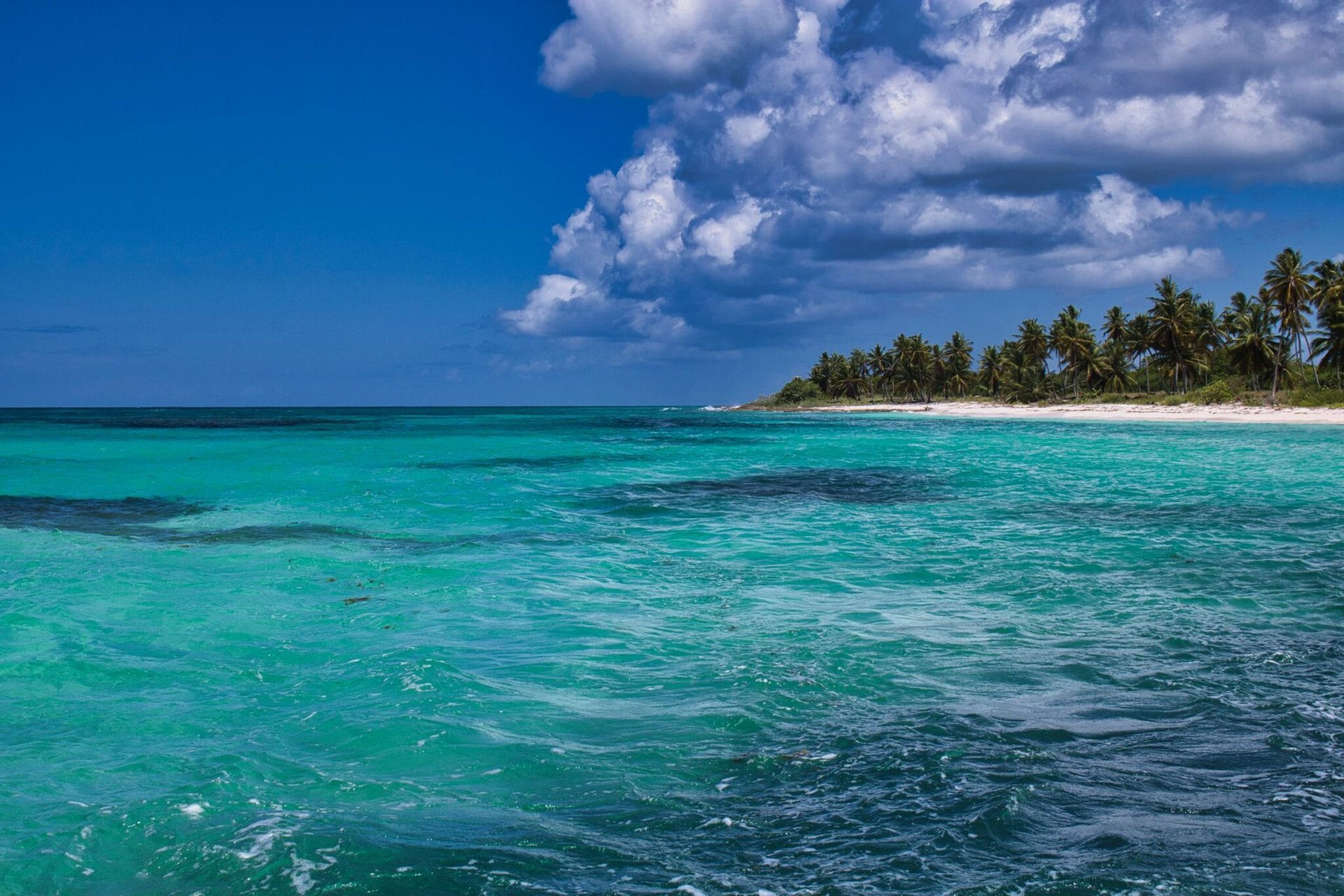
- Water colour: shallow lagoons that turn turquoise in sun.
- A landmark: granite boulders, a shipwreck, basalt columns, palm trees or cliffs.
- A viewpoint: a lookout above the beach often gives a better picture than the sand itself.
- Light: early morning and late afternoon give softer light and fewer people. Midday sun flattens colour and adds glare.
The most Instagrammable beaches, region by region
Whitehaven Beach, Whitsunday Island, Australia
Whitehaven stretches for more than seven kilometres along Whitsunday Island in Queensland. Its sand is about 98% silica, which keeps it very white and fine. The shot people come for is at the northern end: from the Tongue Point lookout above Hill Inlet you see the tide swirling sand and water into changing patterns. Go at low tide for the clearest swirls. Access is by boat, seaplane or helicopter from Airlie Beach or the island resorts.
Anse Source d’Argent, La Digue, Seychelles
This beach on La Digue is known for large, rounded granite boulders beside shallow, clear water. It sits inside L’Union Estate, a former plantation, and you pay an entrance fee at the estate gate. Low tide is best for walking between the coves. For UAE travellers it is one of the closest options on this list: Emirates flies nonstop from Dubai to Mahé in about four and a half hours, and ferries continue to La Digue.
Maya Bay, Koh Phi Phi Leh, Thailand
Maya Bay became famous through the film The Beach. It is inside a national park and now runs under strict limits: swimming in the bay is not allowed, visitor numbers are controlled, and the bay closes every year from 1 August to 30 September so the coral and beach can recover. It reopened on 1 October 2026. Tours run from Phuket and Krabi. From Dubai, Emirates serves Phuket nonstop; see our Dubai to Phuket flights and Phuket hotels.
Navagio (Shipwreck Beach), Zakynthos, Greece
Navagio is a small cove with a rusting shipwreck on white pebbles, surrounded by high cliffs. Because of landslide risk, Greek authorities banned access to the beach and the water of the cove for the whole 2026 season, until 31 October: no landing, no swimming, and boats must stay at least 50 metres from the shore. You can still photograph it from the cliff-top viewpoint once safety fencing is in place. Check the latest rules before you travel, as closures have been renewed in recent years.
Reynisfjara, south Iceland
Reynisfjara has black volcanic sand, basalt columns and sea stacks offshore. It is also one of Iceland’s most dangerous beaches because of “sneaker waves” that run far up the sand without warning. A warning light system was installed in 2022: yellow means stay out of the marked zone on the lower beach, red means dangerous conditions. SafeTravel Iceland advises staying at least 30 metres from the water even on calm days. Never turn your back to the sea for a photo.
Grace Bay, Providenciales, Turks and Caicos
Grace Bay is a long, gently curving beach with fine white sand and calm, shallow water, lined with resorts. It is an easy beach to photograph and swim at, especially early in the morning before people set up for the day.
Pink Sands Beach, Harbour Island, Bahamas
The pale pink colour comes from tiny fragments of shells and coral mixed into the sand. It shows best in soft morning or late-afternoon light and close to the water’s edge, where the wet sand deepens the tone.
Horseshoe Bay, Bermuda
Bermuda’s best-known beach has pink-tinged sand in a curved bay framed by rocks. The rock outcrops at each end are good foreground for wide shots.
Lanikai Beach, Oahu, Hawaii
Lanikai is a residential beach with soft sand, calm water and the two Mokulua islands offshore. Sunrise is the classic time, with the sun coming up behind the islands. Parking is limited and there are few facilities.
Matira Beach, Bora Bora, French Polynesia
Matira is the main public beach on Bora Bora, on the island’s southern tip, with shallow lagoon water. It is one of the few places on the island where you can enjoy the lagoon without staying at an overwater resort.
Baía do Sancho, Fernando de Noronha, Brazil
Sancho sits below green cliffs on a protected island group off north-east Brazil. You reach the sand by a steep stairway set into the rock, or by boat. Visitor numbers on Fernando de Noronha are controlled and visitors pay an environmental fee, so plan ahead.
Nissi Beach, Ayia Napa, Cyprus
Nissi has a sandbar that links the beach to a small islet, with very shallow turquoise water on both sides. It is busy in summer, so arrive early.
Ses Illetes, Formentera, Spain
On a narrow strip of land in the north of Formentera, Ses Illetes has white sand and shallow, clear water on both sides. Ferries run from Ibiza. Sunrise and late afternoon give the best colour.
Photography tips for beach photos
When is the best time to photograph a beach?
- Sunrise: calm water and empty sand, ideal for Whitehaven, Lanikai and Grace Bay.
- Late afternoon and sunset: warm light and silhouettes for Horseshoe Bay, Nissi and Formentera.
- Overcast days: soft light suits Anse Source d’Argent’s boulders and Reynisfjara’s black sand.
- Low tide: reveals sandbars and swirls at Hill Inlet, Nissi and Anse Source d’Argent.
Can you fly a drone at these beaches?
Rules depend on the country and often on the specific park. National parks and marine reserves, such as the Phi Phi islands, commonly restrict drones, and many countries require registration or a permit. Check the aviation authority and park rules for each place before you pack a drone, and never fly over crowds.
What to pack
- A polarising filter to cut glare and show water colour.
- A waterproof phone or camera case.
- A lightweight tripod for sunrise and long exposures.
- Reef-safe sunscreen, a hat and water.
- Plain, light-coloured clothing that works against sand and sea.
Which beaches are easiest to reach from the UAE?
From Dubai, the Seychelles and Phuket (for Maya Bay) have nonstop Emirates flights and are good for a long weekend or a one-week trip. Greece, Cyprus and Spain need a flight to a European hub followed by a ferry or domestic connection. Australia, the Caribbean, Hawaii, French Polynesia and Brazil are long-haul trips best combined into a longer holiday. For more beach ideas in Asia, see our guide to family-friendly beaches in Southeast Asia.