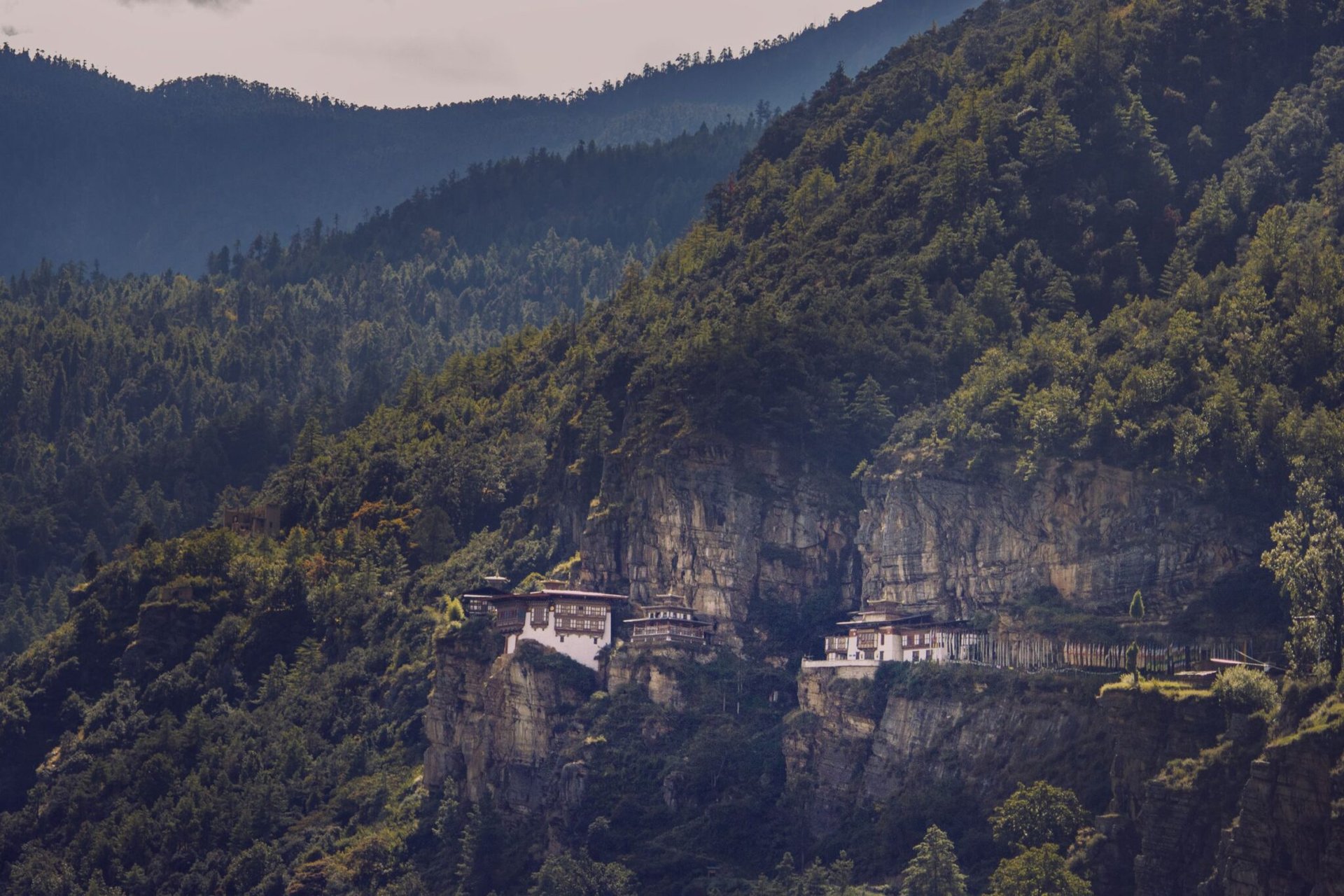
Bhutan’s Tiger’s Nest Monastery trekking guide is essential for travelers seeking a spiritual, scenic, and physically rewarding adventure in 2026. Perched dramatically on the cliffs of Paro Valley, Paro Taktsang—commonly known as Tiger’s Nest Monastery—is one of Bhutan’s most iconic cultural landmarks. This sacred Himalayan site draws pilgrims, hikers, and cultural explorers from around the world, offering panoramic views, centuries-old legends, and the serene ambiance of Buddhist monasteries. In this guide, we cover every aspect of trekking to Tiger’s Nest, from history and trail details to practical tips, entry rules, and AI-powered planning options via Ziarah.ai.
Why Bhutan’s Tiger’s Nest Monastery Trekking Guide Is a Must for 2026 Travelers
Tiger’s Nest Monastery is more than a scenic hike; it is a journey into Bhutanese spirituality, history, and Himalayan culture. Standing approximately 3,120 meters above sea level, perched 900 meters above Paro Valley, this sacred complex seems suspended between sky and earth. Trekking here offers:
- Immersive views of Paro Chu river winding through the valley.
- Encounters with prayer flags, chortens, and cliffside meditation spots.
- Insight into Bhutanese Buddhist practices, rituals, and architecture.
For travelers who want a seamless journey, Ziarah.ai allows you to create fully customized itineraries, combining flights, hotels, activities, and guided treks for a stress-free adventure.
The Legend and History of Paro Taktsang – Tiger’s Nest Monastery Bhutan
Paro Taktsang is intimately tied to Guru Rinpoche (Padmasambhava), who is said to have meditated in a cave at this cliffside location in the 8th century, subduing local demons and introducing Buddhism to Bhutan. The monastery itself was constructed in 1692, incorporating the original sacred cave into its structure.
Key highlights:
- Sacred caves: Pilgrims can view Guru Rinpoche’s meditation cave, a spiritual heart of the complex.
- Architecture: Bhutanese fortress-style construction (dzong) harmonizes with the cliff face.
- Spiritual significance: Tigers’ Nest is a place of pilgrimage, prayer, and meditation for Bhutanese and international visitors alike.
Exploring the history and legends enhances the spiritual experience and makes every step on the trail meaningful.
How Difficult Is the Tiger’s Nest Monastery Hike? Trek Details & Time Required
The Tiger’s Nest hike is considered moderate: it is steep, but accessible to reasonably fit travelers. Key details:
- Round-trip distance: ~6–8 km
- Elevation gain: ~500–550 meters
- Trek duration: 4–6 hours (2–3 hours ascending, 1.5–2 hours descending)
- Trail surface: Dirt paths with stone steps, occasional rocky patches
- Difficulty rating: Moderate; suitable for beginners with reasonable fitness, kids over 12, and seniors with stamina
Along the route, rest stops and small cafes offer water, snacks, and breathtaking viewpoints. For families or those seeking extra support, consider arranging private transfers to trailheads.
Step-by-Step Guide: How to Hike to Tiger’s Nest Monastery from Paro in 2026
- Starting Point: Paro Town
Begin at the main parking area near Paro Taktsang trail entrance. Many travelers stay in nearby hotels; check Ziarah.ai’s Paro hotel options for convenience. - Trailhead to Tea House (1–1.5 hours)
The first segment is steep but steady. A mid-point tea house allows rest and refreshments. From here, the monastery gradually comes into view, perched dramatically above. - Tea House to Monastery (1–1.5 hours)
The final ascent includes stone steps and narrow cliffside paths. Take breaks at viewpoints for photography (best shots include Paro Valley and Paro Chu river). - Monastery Visit
- Respect dress codes: shoulders and knees covered.
- Remove shoes; photography inside is prohibited.
- Explore prayer halls, meditation rooms, and the sacred Guru Rinpoche cave.
- Descent (~1.5–2 hours)
Return via the same trail, taking care on steep sections. Descending is generally faster but can be strenuous on knees.
Optional: some travelers hike at sunrise for fewer crowds and soft morning light over the valley.
Best Time to Visit Tiger’s Nest Monastery Bhutan – Weather & Crowds
Optimal months:
- Spring (March–May): Clear skies, wildflowers along trails, moderate temperatures
- Autumn (September–November): Dry weather, crisp air, excellent visibility
Avoid:
- Monsoon season (June–August): trails slippery, limited views
- Winter months (December–February): possible snow, cold temperatures at high altitude
Morning visits are quieter; late mornings can be crowded. Peak tourist periods often coincide with Bhutanese festivals, so planning with Ziarah AI helps avoid peak congestion.
What to Pack and Wear for Paro Taktsang Trek – Essential Tips
Clothing:
- Breathable layers (temperature varies with altitude)
- Lightweight rain jacket in spring/autumn
- Modest attire: long pants or skirts, covered shoulders
Footwear:
- Sturdy trekking shoes or trail sneakers with good grip
- Optional trekking poles for balance
Accessories:
- Sunscreen, hat, sunglasses
- Small backpack for water, snacks, camera
- First-aid kit, hand sanitizer
Optional:
- Binoculars for valley views
- Lightweight gloves if trekking in cooler months
Travelers can pre-arrange guided gear lists via Ziarah.ai activities.
Entry Fees, Permits, Rules & Photography at Tiger’s Nest 2026
Permits & fees:
- Entry fee: ~1,000 Nu (~$12–15 USD) per adult; often included in guided tours
- Permits: Mandatory as Bhutan requires guided visits for foreign tourists
Rules:
- Remove shoes and hats inside monastery
- Photography prohibited indoors
- Modest clothing is required
- No large backpacks; small camera bags allowed
Guided tours via Ziarah.ai simplify compliance with all Bhutanese rules and streamline ticketing.
How Ziarah AI Makes Your Bhutan Tiger’s Nest Trip Effortless & Personalized
Planning a Tiger’s Nest trek can be challenging without local knowledge. Ziarah.ai simplifies every aspect:
- Flights to Paro: Book via Ziarah.ai
- Hotels: Convenient stays near trailheads via Ziarah.ai hotels
- Activities: Private or group guided hikes via Ziarah.ai activities
- Transfers: Airport to Paro trailheads via Ziarah.ai transfers
- AI itinerary generation: Fully customized trips, incorporating personal pace, sightseeing, and cultural immersion via AI trip generator
- Best trip planner: Integrate all bookings, trails, and schedules via Ziarah AI best trip planner
With AI-assisted planning, even complex multi-day treks and Bhutanese cultural experiences become effortless.