Visiting Mecca: Hajj & Umrah Complete Guide is essential for every pilgrim planning their sacred journey to the heart of Islam in 2025. Whether it is your first Umrah or you are returning for Hajj, understanding the latest visa regulations, optimal travel seasons, rituals, and logistical planning is crucial. From navigating the Mataf around the Kaaba to booking accommodations with a view of Masjid al-Haram, every detail shapes a spiritually fulfilling pilgrimage. In this guide, we will cover everything you need to know—step by step, city by city, and moment by moment—so that your journey is smooth, safe, and meaningful.
Planning Your Pilgrimage: The Difference Between Hajj and Umrah
Hajj and Umrah are both pilgrimages to Mecca, but they differ in timing, rituals, and obligations:
- Hajj is a mandatory pilgrimage for every able-bodied Muslim who can afford it, performed during the Islamic month of Dhul-Hijjah. Hajj rituals include Tawaf, Sa’i, standing at Arafat, Muzdalifah, Mina, and Qurbani.
- Umrah is a non-mandatory pilgrimage that can be performed any time of the year. Its rituals include Ihram, Tawaf around the Kaaba, and Sa’i between Safa and Marwah.
Understanding these distinctions is essential when planning your travel dates, budget, and accommodations. For a smoother experience, consider using Ziarah’s AI to generate a customized Umrah or Hajj itinerary: AI-generated pilgrimage packages.
Saudi Visa Requirements for 2025: Tourist e-Visa vs. Umrah Visa
For 2025, there are several visa options for pilgrims:
- Umrah Visa: Issued through approved agencies, typically valid for 30 days, covering travel to Mecca and Medina. Women traveling alone require additional permissions.
- Tourist e-Visa: Allows entry for multiple purposes, including visiting Mecca for Umrah, up to 90 days. This is a flexible option for travelers combining religious and leisure trips.
Tip: Always check the official Saudi e-visa portal or consult Ziarah’s guidance for real-time processing updates. Book your flights early via Ziarah flights search to align with visa approval timelines.
How to Use AI for a Stress-Free Umrah Planning Experience
With Ziarah’s AI, you can:
- Select preferred travel dates and let the AI optimize your schedule around crowd patterns at the Masjid al-Haram.
- Combine flights, hotel bookings, and local transfers seamlessly: Book hotels near Masjid al-Haram and arrange transfers.
- Include optional guided activities like trips to Cave Hira or Mount Uhud: Explore guided activities.
This ensures maximum spiritual focus and minimal logistical stress.
Essential Logistics: Transport, Hotels, and Daily Costs in Mecca
Best Luxury and Budget Hotels Near Masjid al-Haram
Accommodation plays a critical role in your pilgrimage experience. Options range from luxury hotels with Kaaba views to budget-friendly options within walking distance. Staying near the mosque minimizes travel fatigue, especially during Tawaf and night prayers.
Recommendations:
- Luxury: Opt for 5-star hotels with direct Masjid al-Haram access.
- Budget: Select hotels in Ajyad or Misfalah, still walkable to the mosque.
Book your stay through Ziarah hotels for the best selection and AI-curated suggestions.
Navigating the Haramain High-Speed Railway from Jeddah to Makkah
The Haramain High-Speed Railway connects Jeddah to Mecca in just under 2 hours. Trains are air-conditioned, punctual, and reduce the stress of road traffic. For those arriving at King Abdulaziz International Airport, arranging a private transfer to the station or hotel can save valuable time.
Cost: Approximately SAR 150–250 per person, depending on class and season.
Daily Costs in Mecca (2025 Estimates)
- Meals: SAR 30–70 per meal for budget options, SAR 150+ for fine dining.
- Local transport: SAR 50–100 per day, depending on taxi or ride-sharing usage.
- Pilgrimage essentials: Ihram clothing SAR 50–200, prayer mats SAR 30–80.
Step-by-Step Rituals: A Guide for First-Time Pilgrims
Ihram: Entering a Sacred State
Before entering Mecca, pilgrims must assume Ihram, signifying purity and spiritual focus. Men wear two white unstitched sheets, while women wear modest dress covering the body.
Tawaf: Circumambulating the Kaaba
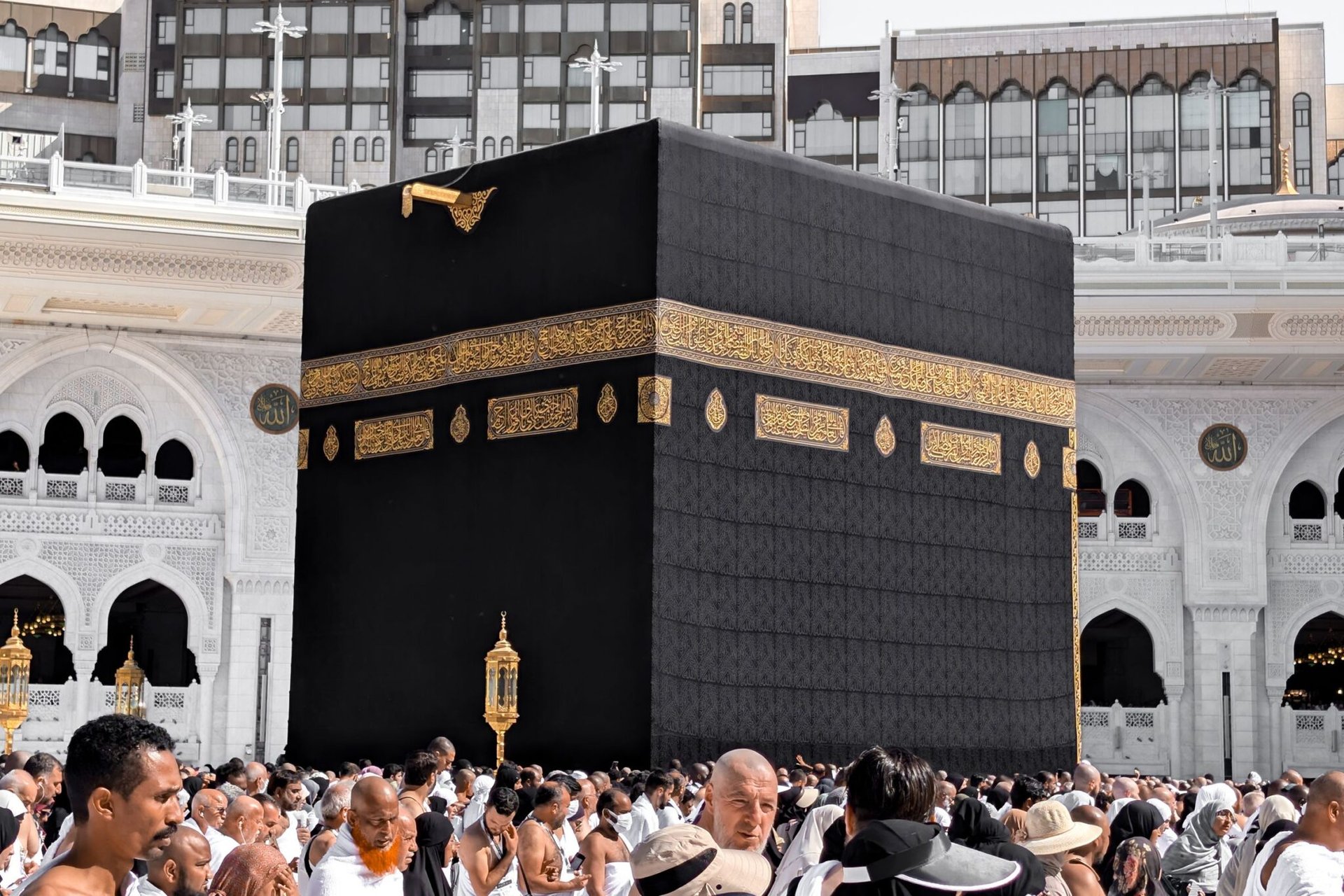
Perform seven rounds around the Kaaba in the Mataf area. This is the central act of both Hajj and Umrah.
Tips:
- Avoid peak times if possible.
- Respect social distancing, especially during crowd surges.
Sa’i: Walking Between Safa and Marwah
Complete seven trips between the hills of Safa and Marwah, symbolizing Hajar’s search for water.
Standing at Arafat (Hajj Only)
Hajj pilgrims must stand in Arafat on 9th Dhul-Hijjah, a pivotal moment symbolizing forgiveness and reflection.
Qurbani and Eid Rituals
During Hajj, pilgrims participate in Qurbani (sacrificial offerings), usually arranged through authorized agencies. Costs vary based on animal type and service provider, approximately SAR 600–1,000 per person.