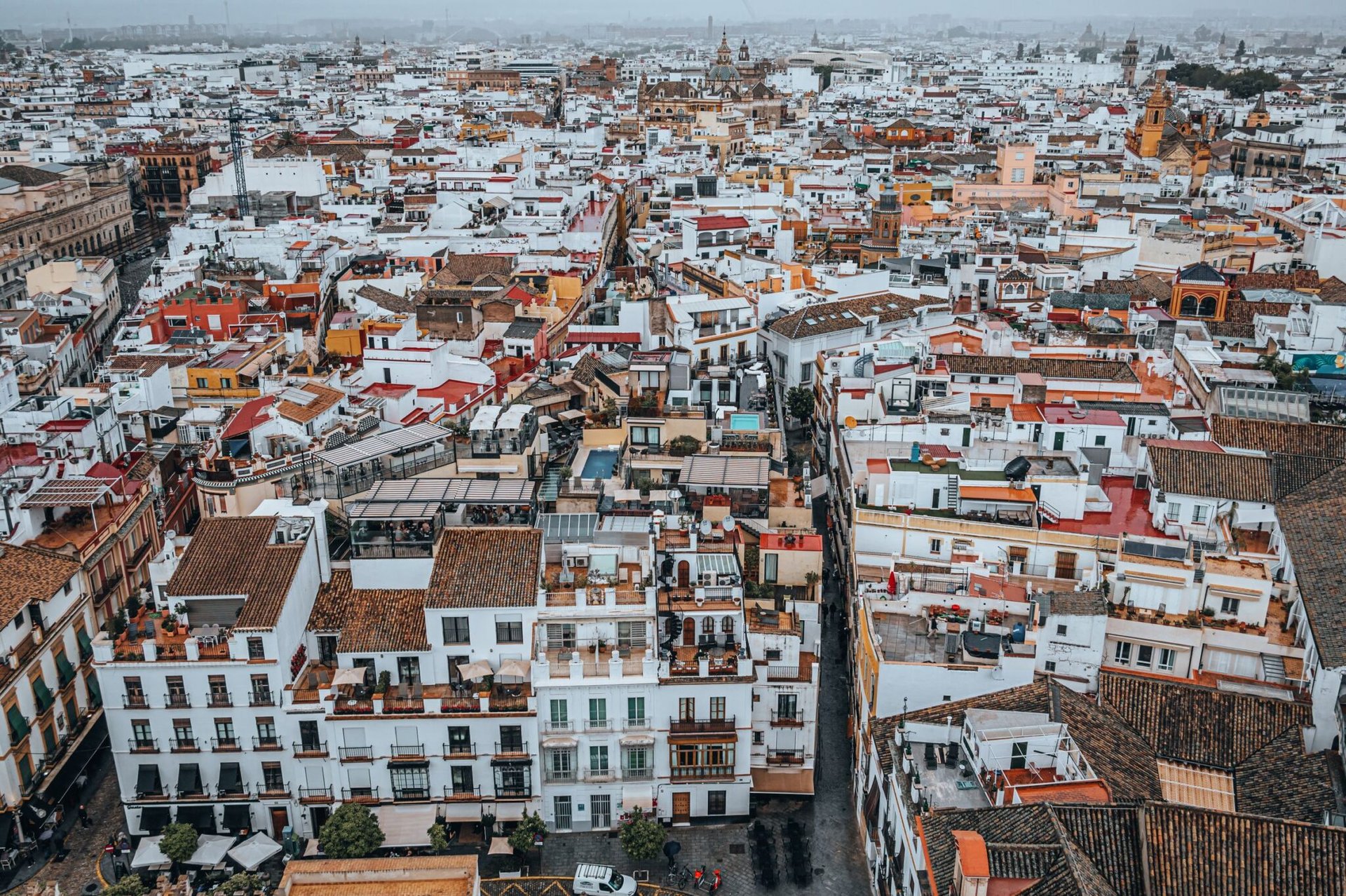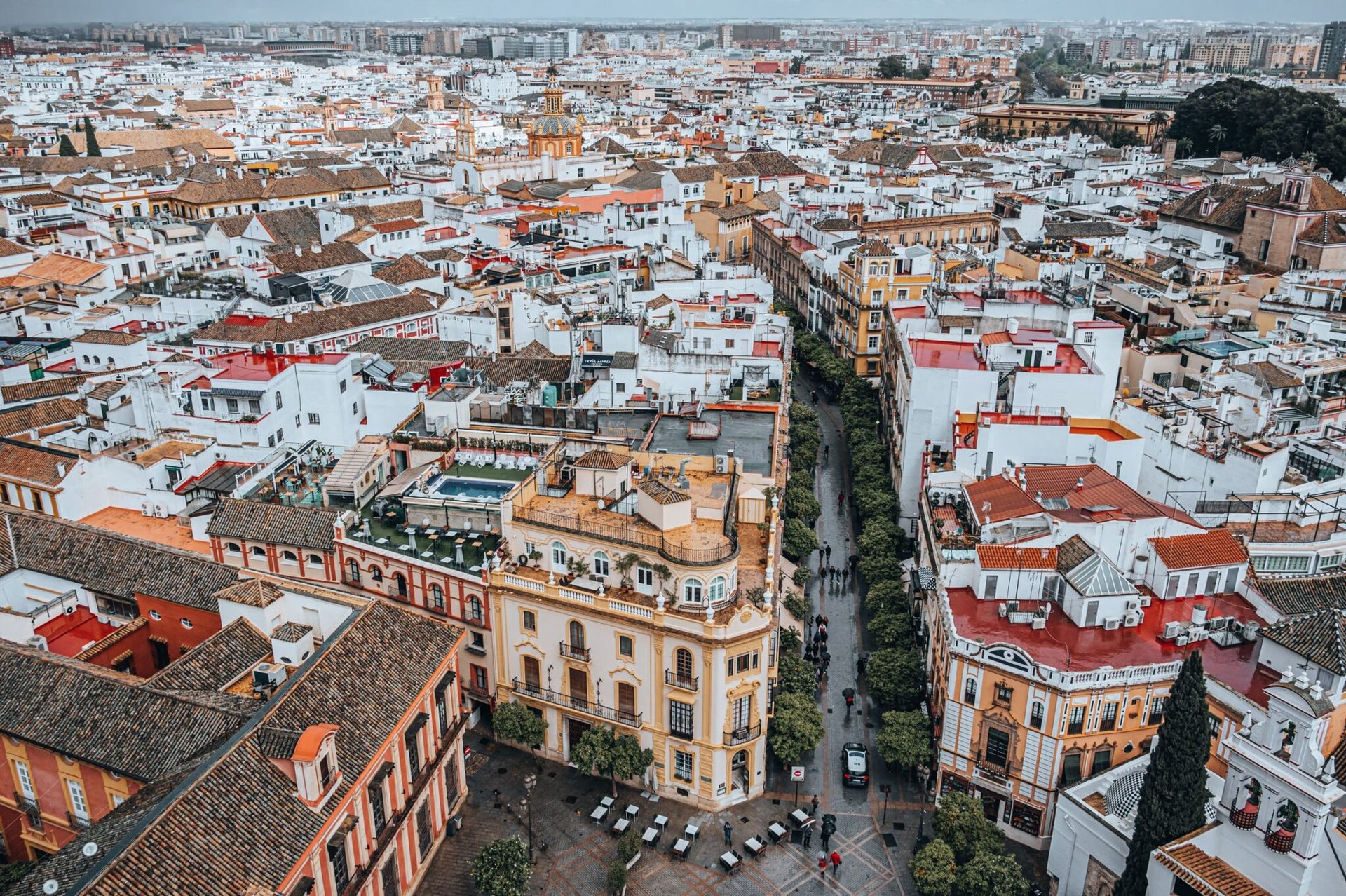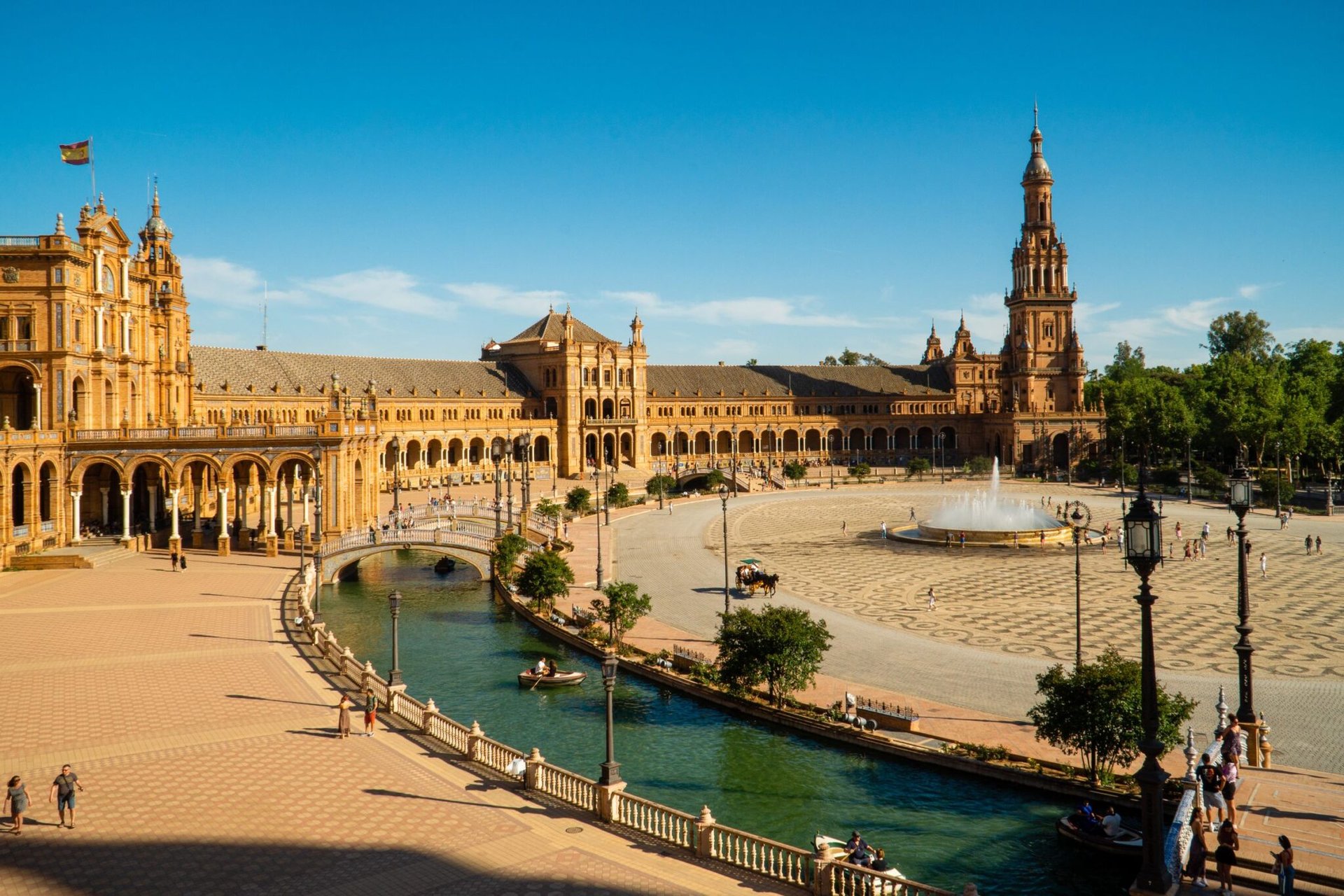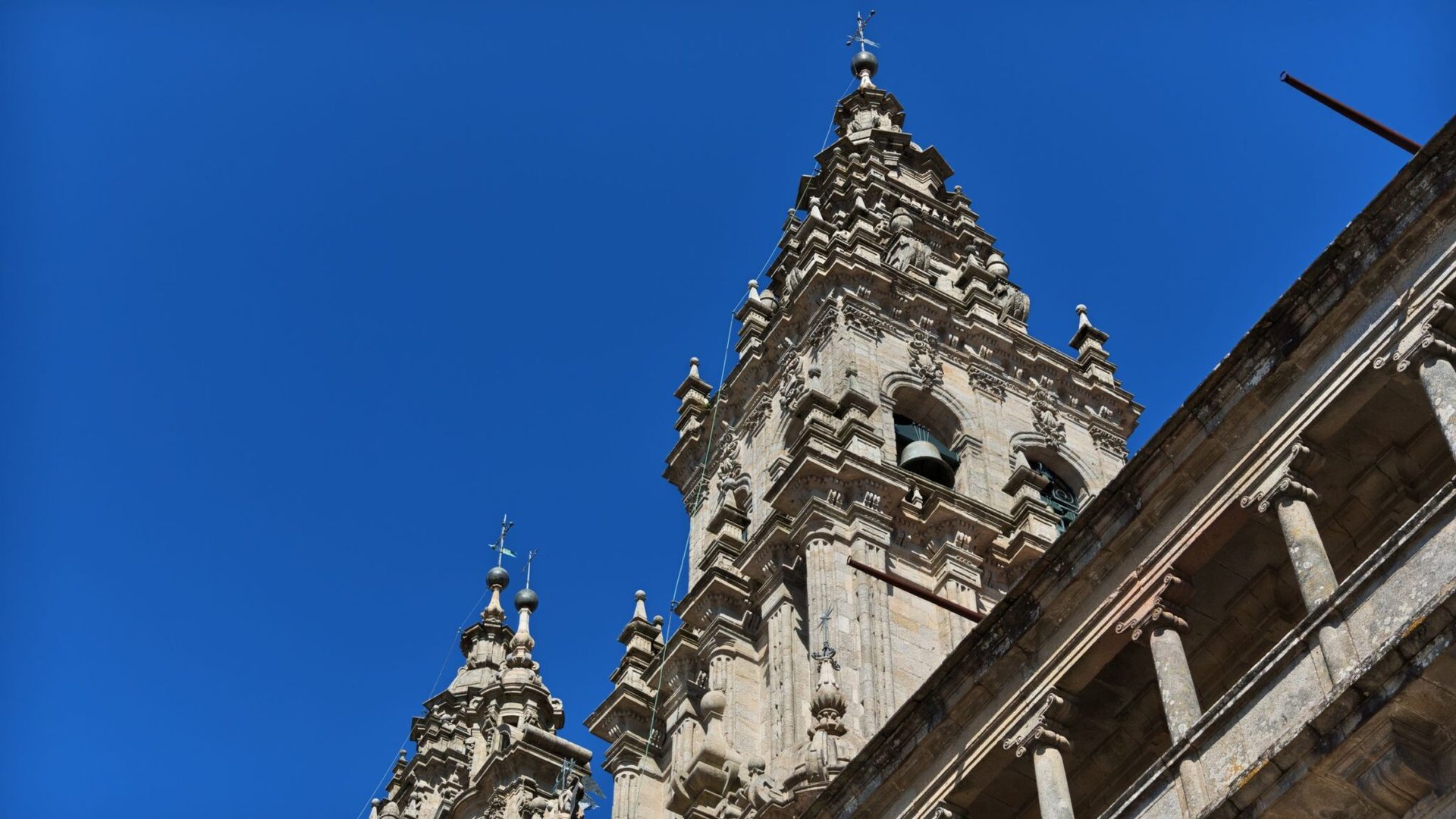
Santiago de Compostela pilgrimage is a journey unlike any other, calling travelers to walk historic paths, reflect spiritually, and engage with centuries of tradition on the Camino de Santiago. In 2026, thousands of pilgrims from around the world continue to follow these ancient routes—Frances, Portugues, Primitivo, and others—seeking personal transformation, physical challenge, and a deep connection to Galicia’s landscapes and culture. This comprehensive guide equips global pilgrims with everything needed for a meaningful journey: route insights, preparation tips, practical logistics, and spiritual reflections.
Why the Camino de Santiago Calls to Modern Pilgrims
The Camino de Santiago is more than a long-distance hike; it is a spiritual and cultural experience. Pilgrims walk along historic roads marked by the yellow arrows, scallop shell symbols, and centuries-old churches, monasteries, and waymarkers. Modern pilgrims are drawn not only by the sacred Cathedral of Santiago de Compostela, where the remains of St. James are said to lie, but also by the transformative challenge of walking 100 kilometers or more, forging friendships, and discovering regional traditions in towns like Roncesvalles, Pamplona, Burgos, León, and Sarria.
Choosing Your Camino Route and Best Time to Start
Choosing the right Camino route is critical for a fulfilling experience. The Camino Frances, at roughly 780 kilometers from St. Jean Pied de Port to Santiago, is the classic pilgrimage path. The Camino Portugues offers coastal and central options from Porto or Lisbon, and the Camino Primitivo appeals to experienced walkers seeking more solitude and rugged terrain.
Best time to walk: Spring (April–June) and early autumn (September–October) offer clear skies, mild temperatures, and vibrant landscapes. Summer months can be hot, and winter brings fewer services but a quieter pilgrimage.
Essential Camino de Santiago Preparation
Getting Your Pilgrim Credential and Compostela
A pilgrim credential is essential. It documents your journey through stamps (sellos) collected in albergues, churches, or cafes—usually two stamps per day. To qualify for a Compostela certificate, walkers must cover at least 100 km, while cyclists must complete 200 km. Credentials can be obtained at starting points like Roncesvalles, Sarria, Porto, or through pilgrim activities and services along the route.
Training and Physical Preparation for the Pilgrimage
Preparation is key for avoiding injury. Walkers should gradually increase daily distances, ideally 20–25 km per day for beginners. Backpack weight should be kept under 10% of body weight. Training tips include long weekend walks, hill climbs, and light resistance exercises. Experienced pilgrims recommend testing walking shoes and gear on multi-day hikes before departure.
What to Pack for Your Santiago de Compostela Journey
Packing lightly is essential. Core items include:
- Comfortable, broken-in walking shoes or boots
- Lightweight clothing layers and rain gear
- Reusable water bottle and snacks
- Pilgrim’s hat, sunscreen, and sunglasses
- Credential, guidebook, and maps
- Basic first aid, blister treatment, and trekking poles
For extended routes, include compact sleeping gear and optional electronics. For guided or AI-planned trips, generate your Camino itinerary to adjust packing lists based on route and duration.
Top Camino Routes Leading to Santiago
Camino Frances: The Classic Pilgrimage Path
The Camino Frances is the most popular and well-serviced route, stretching 780 km from St. Jean Pied de Port across northern Spain to Santiago. Towns like Pamplona, Logroño, Burgos, and León offer albergues, local cuisine, and cultural experiences. For first-time pilgrims, starting at Sarria allows for the minimum 100 km to receive the Compostela, making it ideal for beginners or those short on time.
Camino Portugues: Coastal and Central Options
The Camino Portugues has two main variations: coastal and central. From Porto, walkers experience coastal vistas, seafood towns, and the lush landscapes of northern Portugal. Central routes are flatter and faster, with ample accommodation options. Training tips for this Camino emphasize lower leg strength and endurance, as many coastal sections involve rolling hills.
Camino Primitivo and Northern Routes
The Camino Primitivo is the oldest known route, originating from Oviedo. It is less crowded and more rugged, suitable for experienced pilgrims seeking solitude. Northern coastal routes offer dramatic scenery, with fewer services, requiring careful planning for accommodations and supplies.
Shorter Pilgrimage Options from Sarria
Many pilgrims choose Sarria to Santiago for the minimum 100 km walk. This section passes through small towns, rolling hills, and quiet forests. Affordable albergues and local eateries are abundant. Shorter routes appeal to first-time pilgrims, families, and those with limited time.
Arriving in Santiago de Compostela
The Cathedral and Pilgrim’s Mass Experience
Arriving at the Cathedral of Santiago de Compostela is a culmination of days or weeks of walking. Pilgrims often attend the Pilgrim’s Mass at noon daily, witnessing the swinging Botafumeiro incense burner. Climbing the cathedral tower provides panoramic views of the city and surrounding hills. Remember to present your pilgrim credential to receive the Compostela certificate.
Beyond the Cathedral: City Highlights for Pilgrims
Santiago’s historic center is rich with Galician culture, cafes, museums, and artisan shops. Pilgrims can explore local markets, stroll the Monte do Gozo, and engage with fellow walkers. Guided day trips and walking tours enhance the experience (discover activities).
Extensions to Finisterre and Muxia
Many pilgrims continue to Finisterre or Muxia, adding coastal walks that symbolize the journey’s completion. These extensions are accessible by road or along the marked pilgrimage paths. Arranging transfers to Finisterre or Muxia ensures convenience for those carrying luggage or traveling in groups.
Practical Planning for Your Pilgrimage
Flights and Transportation to Camino Starting Points
Flights to Santiago de Compostela airport or nearby hubs (Porto, Oviedo) are available year-round. Efficient airport transfers and regional trains or buses connect pilgrims to starting towns like Roncesvalles, Sarria, or Porto. Booking flights in advance helps secure better prices and seasonal availability (search flights).
Accommodations: Albergues, Hotels, and Pilgrim Hostels
Accommodation ranges from municipal albergues to private hostels and boutique hotels. Many pilgrims use albergues, which offer communal spaces, showers, and kitchen facilities. Booking ahead is recommended in peak months. For guided or AI-planned trips, find hotels along the Camino tailored to your itinerary.
Daily Costs, Meals, and Pilgrim Menu Guide
Pilgrims can expect daily expenses of €30–€50 for accommodation, meals, and minor supplies. Most towns offer pilgrim menus, including local dishes, soup, protein, bread, and dessert. Carrying small change and snacks for remote stages is advisable.
Health, Safety, and Blister Prevention Tips
Maintaining hydration, stretching daily, and using blister prevention techniques are essential. Keep a basic first aid kit and know local emergency numbers. Walking in daylight, respecting weather conditions, and pacing yourself reduces injuries and fatigue.
Sample Pilgrimage Itineraries
5 Days: Sarria to Santiago Express
- Day 1: Sarria Portomarín (22 km)
- Day 2: Portomarín Palas de Rei (25 km)
- Day 3: Palas de Rei Arzúa (29 km)
- Day 4: Arzúa Pedrouzo (20 km)
- Day 5: Pedrouzo Santiago (20 km)
This condensed itinerary covers the minimum distance for a Compostela certificate, ideal for first-time walkers.
14 Days: Full Camino Frances Highlights
- Days 1–2: St. Jean Pied de Port Pamplona
- Days 3–4: Pamplona Logroño Burgos
- Days 5–6: Burgos León
- Days 7–12: León Sarria Santiago
- Days 13–14: Santiago extensions to Finisterre/Muxia
This itinerary allows a deeper cultural immersion, flexibility for sightseeing, and a gradual physical pace.
How Ziarah Simplifies Your Camino de Santiago Adventure
Ziarah streamlines planning by allowing pilgrims to generate AI-curated itineraries, integrating flights, accommodations, transfers, and guided activities. Whether you want family-friendly Camino sections, luxury albergues, or sustainable walking options, Ziarah’s tools (generate package, best trip planner) create a tailored pilgrimage with minimal effort.