To visit the Great Wall of China safely, start from Beijing, pick a section that matches your fitness (Badaling or Mutianyu for an easy, restored walk; Jinshanling for a harder hike; wild sections such as Jiankou only with an experienced guide), book tickets in advance, and leave early to beat the crowds and the midday heat. Carry more water than you think you need, wear shoes with good grip for steep, uneven steps, and dress in layers. A day trip from Beijing to a popular section takes about six to eight hours door to door.
What you need to know before visiting the Great Wall
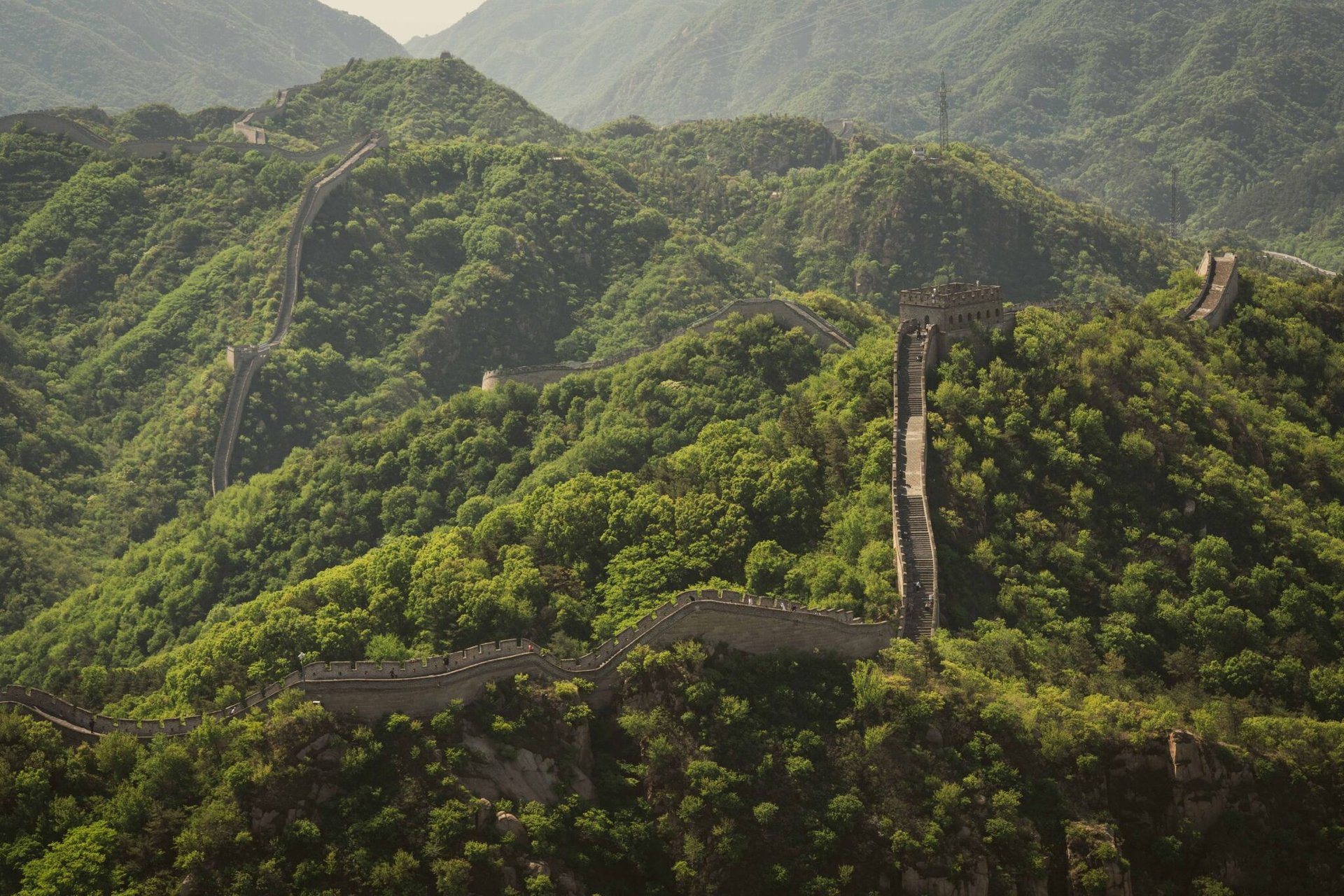
The Great Wall is not one wall but a network of walls, watchtowers and fortifications built over many centuries across northern China. UNESCO inscribed it as a World Heritage Site in 1987, and a Chinese national survey published in 2012 measured all historic sections at about 21,196 km. Only a small part is restored for visitors. Restored sections have steps, handrails and facilities; unrestored “wild” sections can be crumbling, overgrown and steep.
The main risks are practical rather than dramatic: dehydration and heat in summer, ice in winter, twisted ankles on uneven steps, and getting stranded at a remote section without transport back. Plan for those and the day is straightforward.
Which section of the Great Wall should you visit?
Badaling: easiest access, busiest
Badaling, north-west of Beijing, is the most visited section and fully restored. It has a rail link from Beijing and plenty of facilities, which makes it the simplest option for families and older travellers. It is also the most crowded, especially on weekends and Chinese public holidays.
The Beijing municipal government lists Badaling’s daytime hours as 6:30 am to 4:30 pm, with adult tickets at CNY 40 and concession tickets at CNY 20. Reservations are made with real-name registration through the official “Throughout the Great Wall” (长城内外) WeChat mini-program, so have your passport details ready. Seasonal night tours are offered at a separate, higher price. Prices and hours change — check the official site before you go.
Mutianyu: restored, greener and calmer
Mutianyu, in Huairou District north-east of Beijing, is restored and well maintained but usually less crowded than Badaling. The wall here runs along a forested ridge with many watchtowers. A cable car and a chairlift take you up, and a toboggan slide is a popular way down. It is a good choice for a first visit if you want space to walk and take photos.
Jinshanling: a harder hike with wide views
Jinshanling, in neighbouring Hebei province, is partly restored, with long stretches of original stonework and steep climbs between towers. It is further from Beijing, so most visitors go on a tour or with a private driver. Facilities on the wall are limited, so carry water and snacks.
Huanghuacheng and Jiankou: wild sections for experienced hikers
These sections are largely unrestored, with loose stone, sheer drops and no railings. They are for experienced, fit hikers only, ideally with a local guide who knows the current conditions. Some unrestored stretches are officially closed to visitors; respect closure signs and do not climb on unstable towers. Avoid them in rain, snow or high wind.
How to get from Beijing to the Great Wall
You have three realistic options:
- Public transport: cheapest. Badaling is the easiest section to reach by train from Beijing. Mutianyu and the more remote sections need a bus and often a taxi for the last stretch, which takes planning and some Chinese or a translation app.
- Group tour: includes transport and usually tickets. Good value, but you follow a fixed schedule and may stop at shops.
- Private car or transfer: the most flexible. You can leave at dawn, choose a quieter section and return when you like. Worth it for families and small groups. You can arrange one through Ziarah transfers.
Whichever you choose, confirm how you will get back. At remote sections, transport can be scarce in the late afternoon.
How long do you need at the Great Wall?
For Badaling or Mutianyu, plan two to four hours on the wall and six to eight hours for the whole day trip from central Beijing, including travel. A Jinshanling hike takes most of a day. If you want sunrise or sunset photos, consider staying overnight in a village guesthouse near the wall.
What to pack for a Great Wall day trip
- Water: at least 1.5–2 litres per person in summer; there are long exposed stretches with no shade.
- Snacks: nuts, fruit or energy bars, especially for less-developed sections.
- Footwear: trainers or hiking shoes with good grip. The steps are uneven in height and can be slippery.
- Layers: a light waterproof jacket year-round; warm layers, a hat and gloves in winter.
- Sun protection: sunscreen, sunglasses and a hat.
- Phone and power bank: download offline maps and a translation app before you go.
- Passport: needed for real-name ticket reservations.
- Basic first aid: plasters and blister pads.
- Cash and mobile payment: many vendors use mobile payment apps; set one up before you travel if you can.
Best time to visit the Great Wall
Spring (April to May) and autumn (September to October) generally bring the most comfortable walking weather, and autumn colours along the Mutianyu ridge are popular with photographers. Summer is hot and humid with occasional thunderstorms, so start early and rest in the shade. Winter is cold and icy but very quiet, and snow on the towers makes for striking photos; take extra care on the steps.
Whatever the season, go on a weekday morning. Avoid the first week of October (China’s National Day holiday) and other public holidays, when popular sections are extremely crowded.
Safety tips for the Great Wall
- Walk at your own pace. The steps can be very steep, and going down is harder on the knees than going up.
- Use the handrails on restored sections and hold on with one hand when taking photos.
- Turn back if weather turns; stone gets slippery quickly in rain or frost.
- On wild sections, never hike alone and tell someone your route.
- Stay on open sections and obey closure signs.
Being a responsible visitor
The wall is fragile in many places. Do not take stones, scratch names into bricks or climb on parapets. Carry out all your rubbish. If you walk through villages to reach unrestored sections, be respectful, ask before taking photos of people, and buy water or snacks locally where you can.
Getting to Beijing from the UAE
Emirates flies nonstop from Dubai to Beijing Capital International Airport (PEK) in about 7 hours 25 minutes. Entry rules for China depend on your nationality and can change, including visa-free and transit visa-free schemes. Check the latest rules with the Chinese embassy or consulate before you travel. Compare options on Ziarah flights and add a Great Wall tour from Ziarah activities.